The Kings Who Built for the Sun: Abusir and the Sun Temples
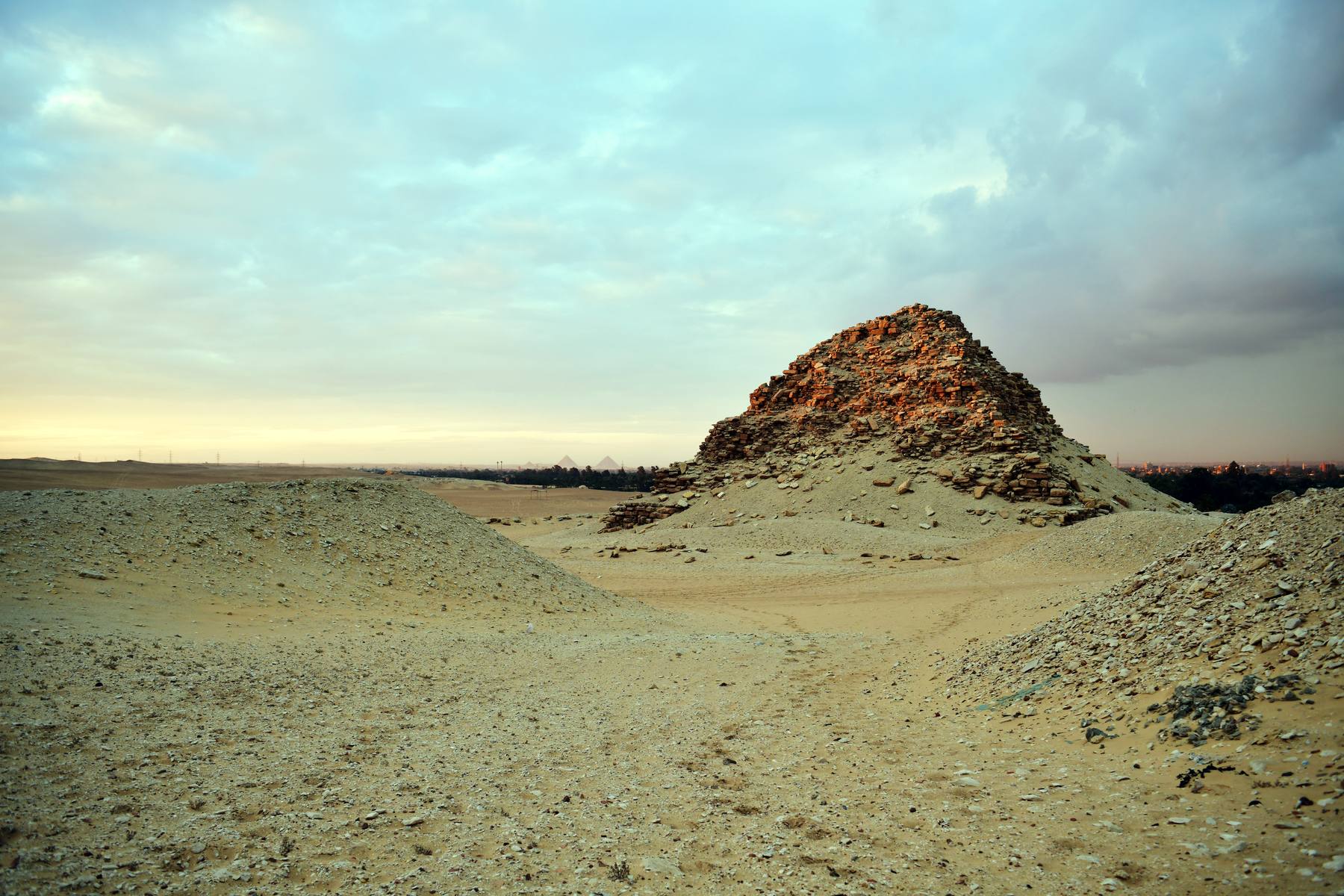
Between Giza and Saqqara, a quieter field of pyramids remembers the age when kings turned their whole devotion to the sun.
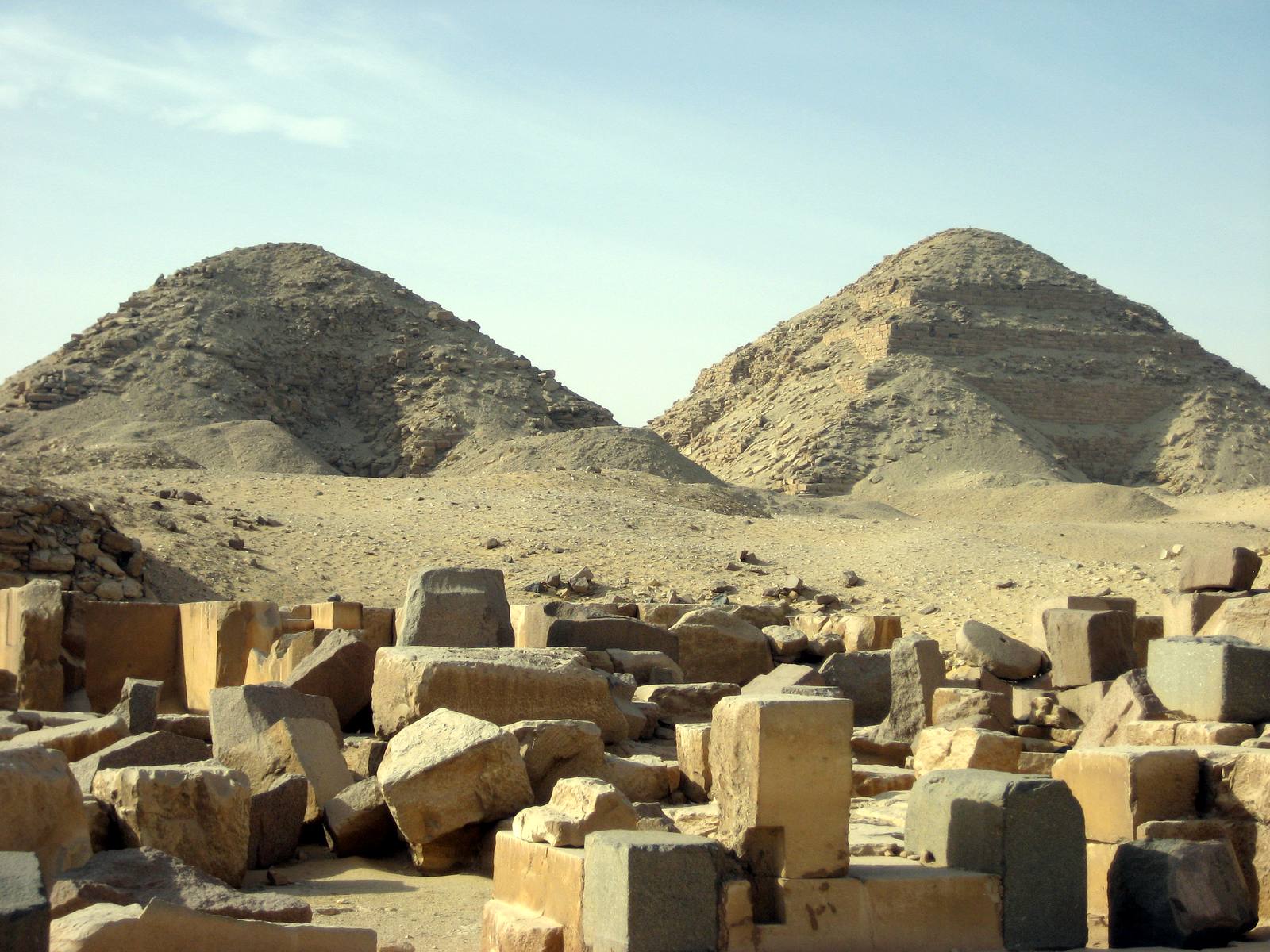
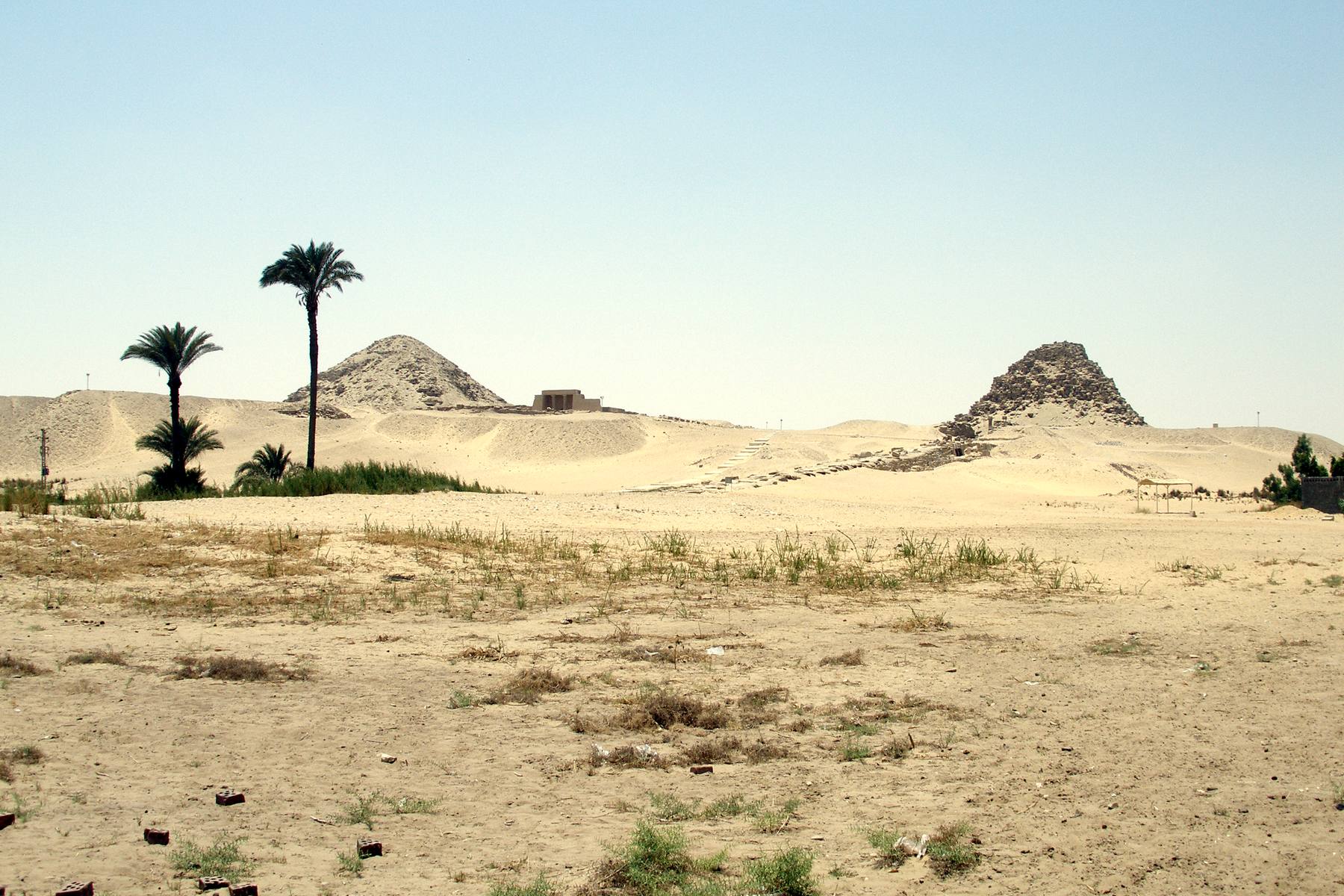
Abusir lies on the desert edge a few kilometres north of Saqqara, its weathered pyramids rising softly from the sand. Here the kings of the Fifth Dynasty, around four and a half thousand years ago, built their tombs, among them Sahure, Neferirkare and Niuserre. Just to the north, at Abu Ghurab, stand the remains of something rarer still: a temple built not for a king, but for the sun itself.
Few travellers come here. The wind moves over the stones and the silence is complete.
Sons of Ra
The Fifth Dynasty kings were devoted to Ra above all. They were the first to make the title Son of Ra a regular part of the royal name, and several of them built dedicated sun temples. Ancient records name six, but only two have been found: those of Userkaf and of Niuserre.
The Sun Temple of Niuserre
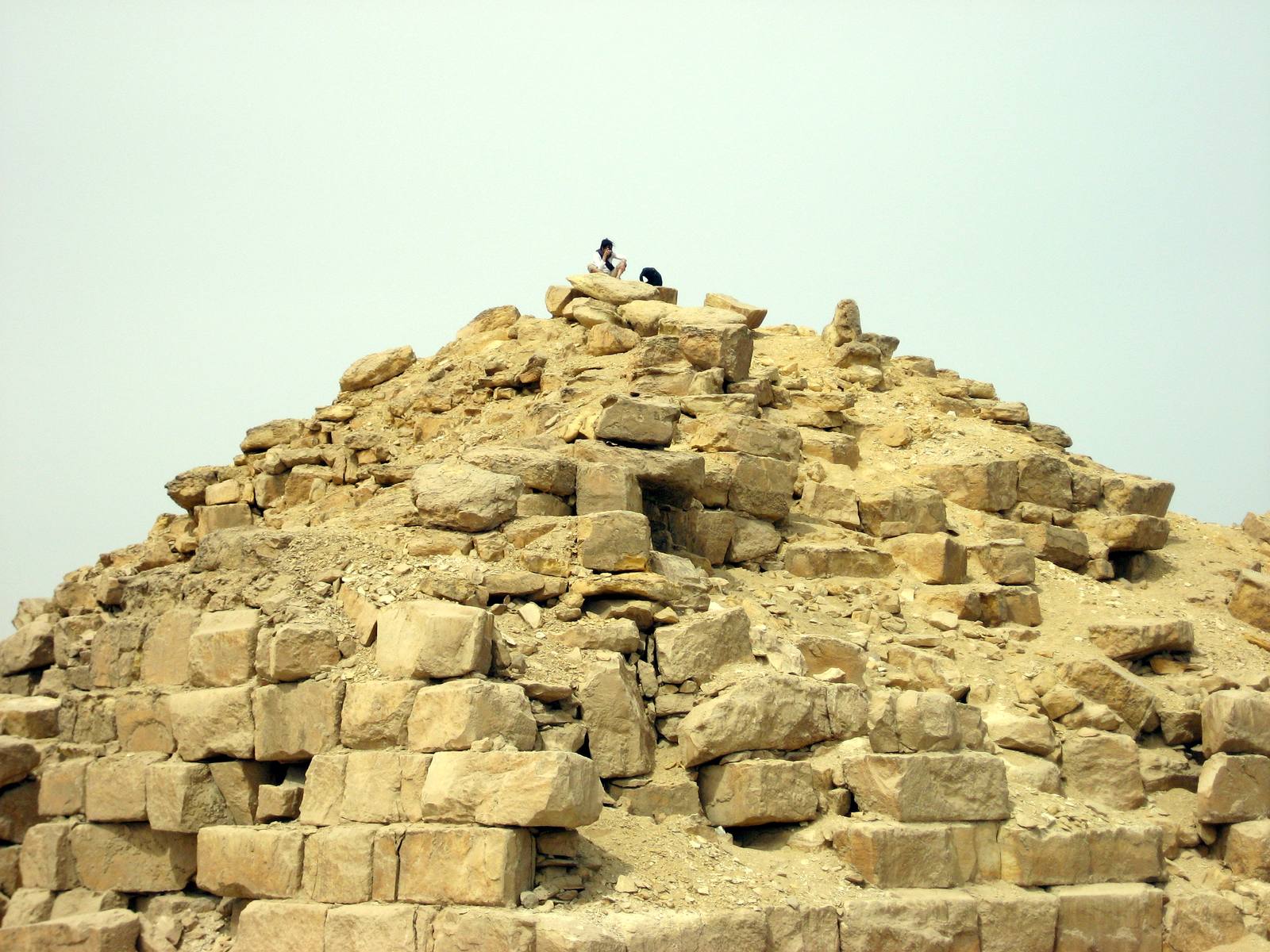
Niuserre’s temple at Abu Ghurab was open to the sky. At its centre stood a great squat obelisk raised on a massive base, a monumental form of the benben of Heliopolis. Before it lies an altar of gleaming Egyptian alabaster, made of a round central disc with four offering slabs pointing to the four directions, each carved with the sign hotep, offering and peace. Some read the whole as “Ra is satisfied”.
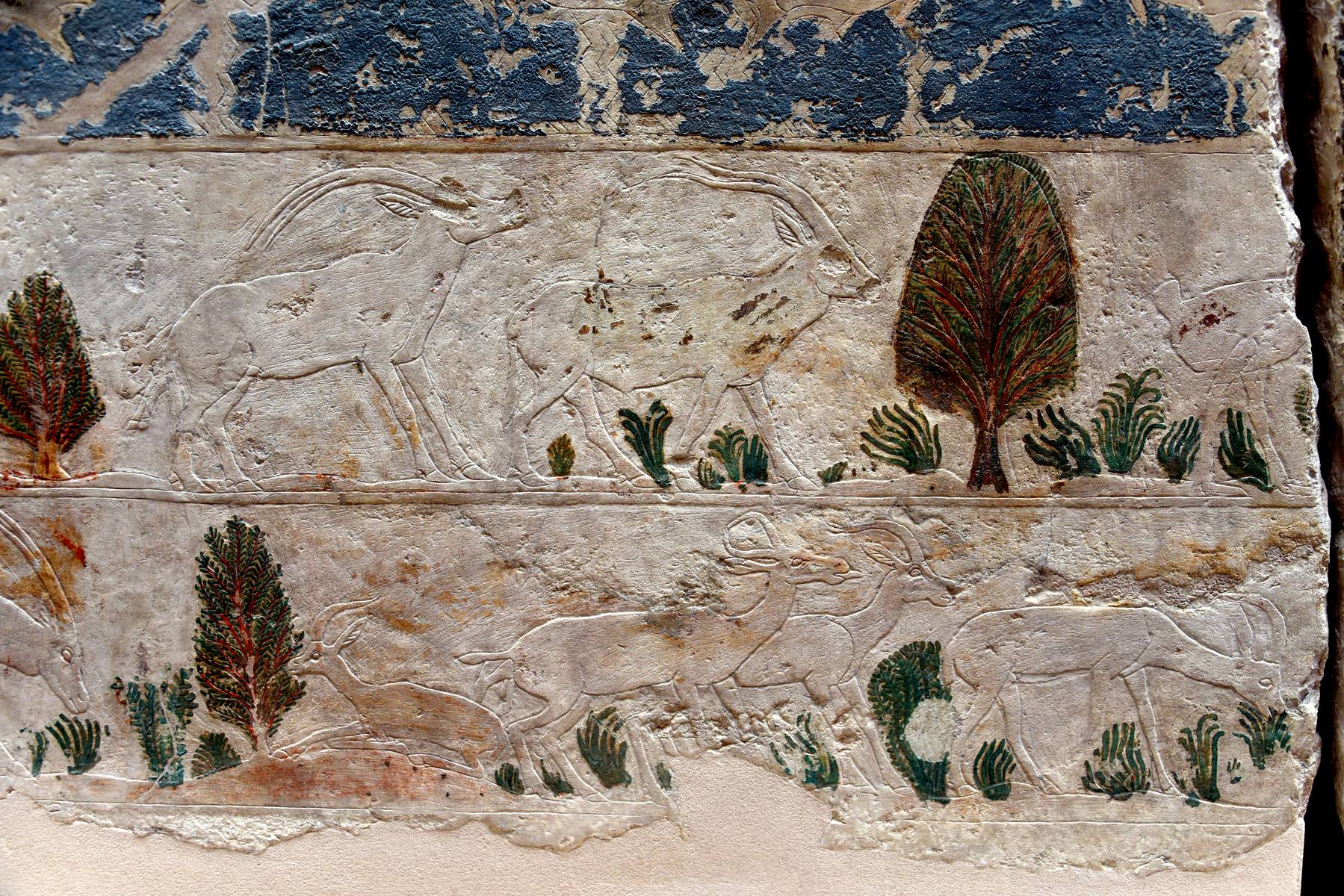
Fine reliefs from a chamber now called the Room of the Seasons showed the life of the land through the year: birds nesting, animals giving birth, the river and the fields renewing themselves under the sun.
At Abu Ghurab, the altar does not point to one god in one place. It opens to the four directions, and the sun answers from them all.
The Papyri of Abusir
In the temple of Neferirkare, archaeologists found the Abusir Papyri, among the oldest administrative papyri known: duty rosters, inventories and accounts of the priests who served the royal cult. They show that devotion here was a daily, living practice, shift by shift, offering by offering. Excavations in the area by Czech Egyptologists have also uncovered later shaft tombs and the burials of royal family members.
The Solar Great Work
In the Great Work, the sun is the inner gold, the radiant self that the soul is slowly becoming. Lisa Renee’s Ascension Glossary describes the solar light body as our own inner sun, fully embodied. At Abusir the kings literally built their lives around the sun’s daily return. The pilgrim is invited to do the same, inwardly: to make the light the centre, and let everything else orbit it.
A Practice: The Altar of the Four Directions
Stand outside in sunlight. Turn slowly to face east, south, west and north, pausing at each and offering one silent word of gratitude. Then return to the centre, close your eyes and feel the sun’s warmth on your face. Ask: if the light were truly the centre of my life, what would change?
Read More on the Blog
- The Black Earth Within: Why the Great Work Begins in Egypt
- What Really Happened in an Egyptian Temple Initiation?
Feel called to walk this path?
Book a private call with Kristina to learn about the retreats: The Great Work Pilgrimage and Hieros Gamos: The Sacred Union, or a one-to-one Private Initiation Journey, where Kristina holds personal initiations and activations for you at Egypt’s sacred sites.
Book a private call with KristinaHeader photo: 26706- sunset light on pyramid by Panegyrics of Granovetter, CC BY-SA 2.0, via Wikimedia Commons
Photo: Niuserre Sun Temple at Abu Gurab by Chanel Wheeler, CC BY-SA 2.0, via Wikimedia Commons
Photo: Desert animals. Wall fragment from the Sun Sanctuary Temple of Nyuserre Ini at Abu Gurob, Egypt. c. 2430 BCE. Neues Museum by Osama Shukir Muhammed Amin, CC BY-SA 4.0, via Wikimedia Commons
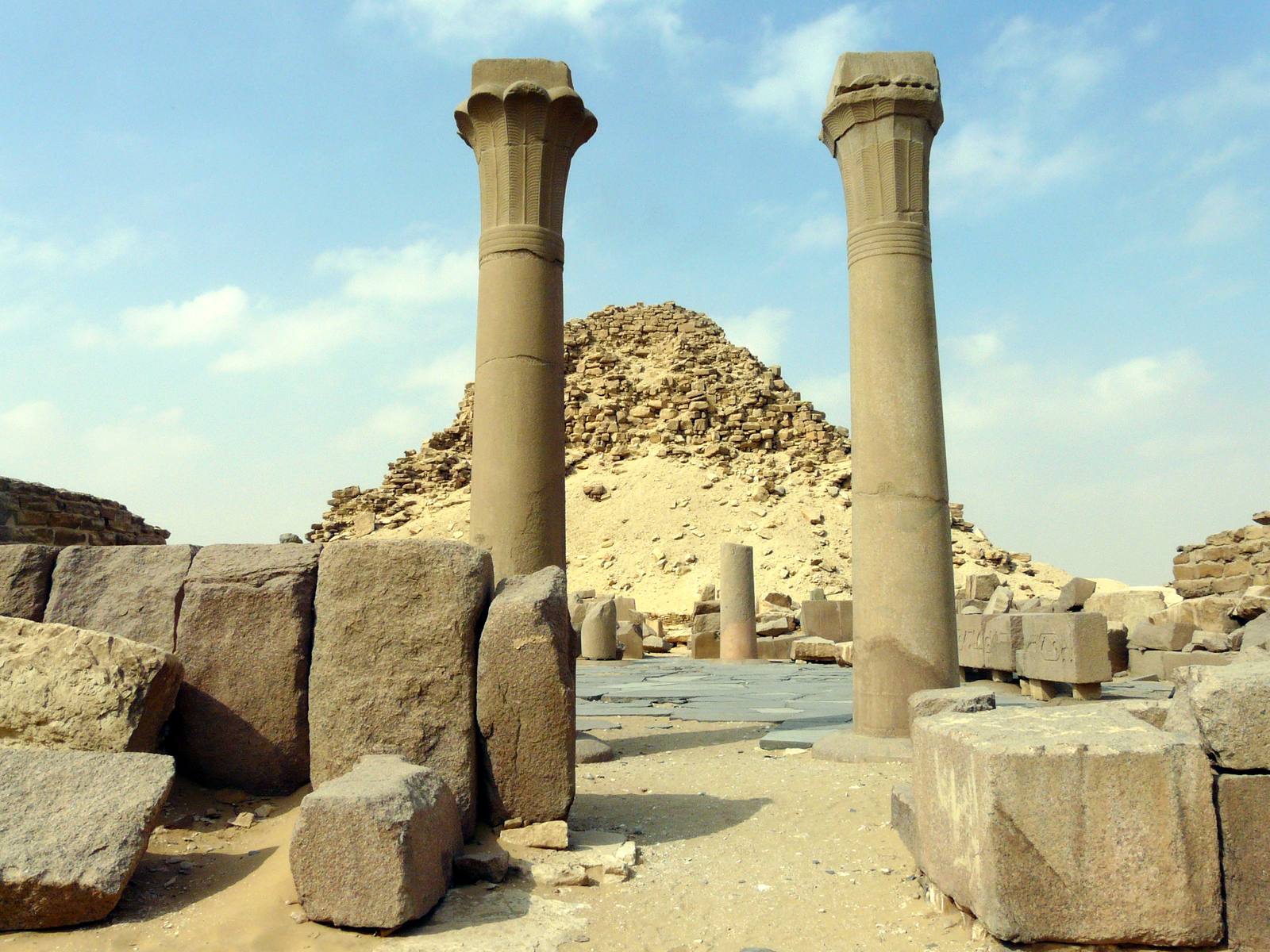
Photo: Sahoure5 by Kurohito, CC BY-SA 3.0, via Wikimedia Commons
Photo: Pyramids of Nyuserre Ini and Neferirkare by Chanel Wheeler, CC BY-SA 2.0, via Wikimedia Commons
Photo: Pyramids of Abusir, Ancient Egypt by Vyacheslav Argenberg, CC BY 4.0, via Wikimedia Commons