The Woman Who Became King: Hatshepsut and the Holy of Holies
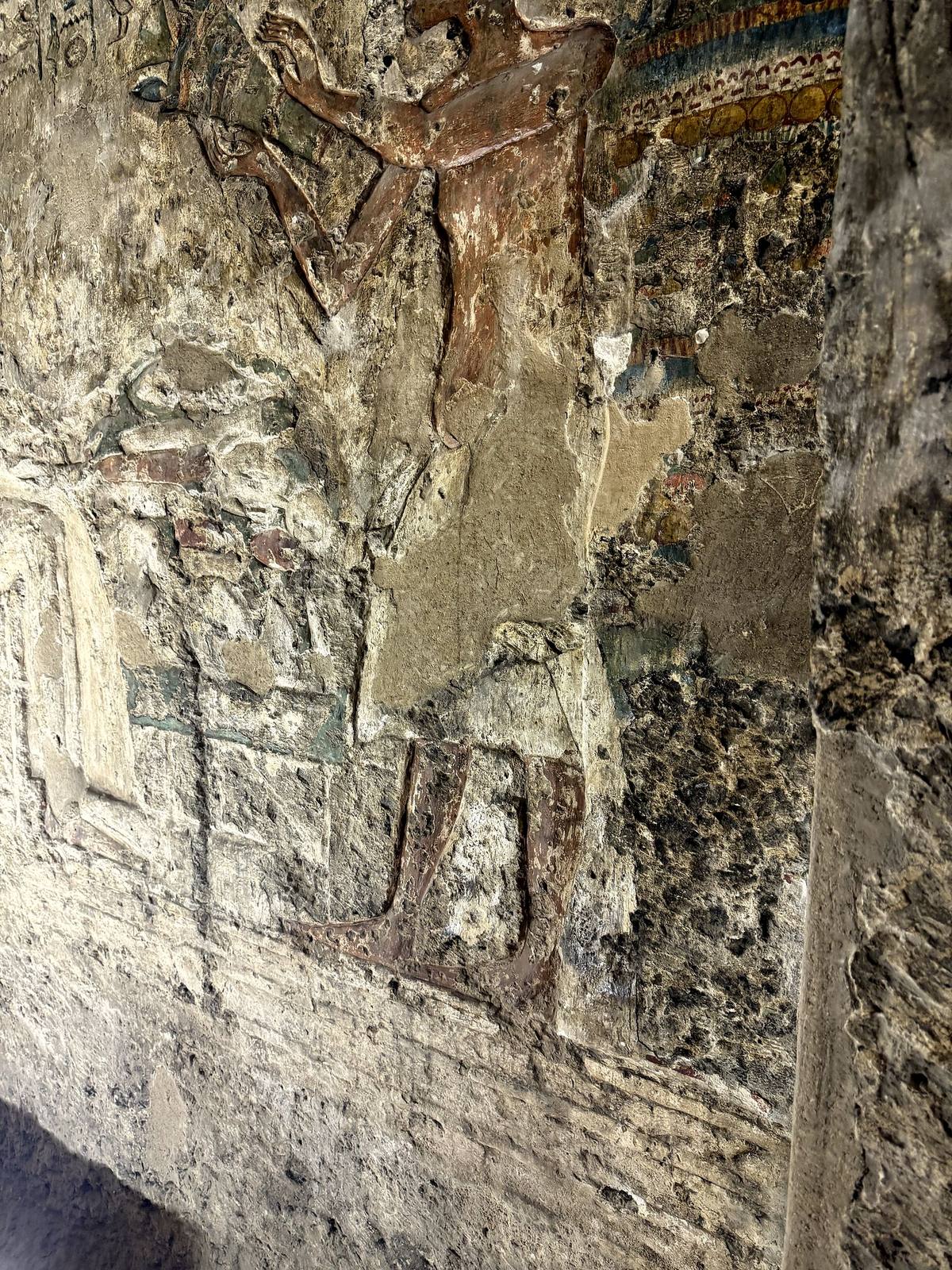
She was the daughter of a king, the wife of a king, and then, astonishingly, a king herself.
Hatshepsut ruled Egypt for some twenty years in the fifteenth century BCE. She was not the first woman to hold power on the Nile, but she was the one who took the full titles of a pharaoh and wore them for a generation. Her statues show her with the royal headdress and, often, the ceremonial false beard. Her reign brought peace, trade and some of the most beautiful buildings Egypt ever raised.
The Temple in the Cliffs
Across the river from Luxor, at Deir el-Bahri, her mortuary temple rises in three great terraces against a wall of golden cliffs. Its name was Djeser-Djeseru, the Holy of Holies. Long colonnades, ramps and courts climb toward the rock, as if the temple were growing out of the mountain itself.
Stand at the foot of it at morning and the whole structure glows. It is architecture as invocation: horizontal lines of human order laid against the vertical mystery of the cliff.
Born of a God
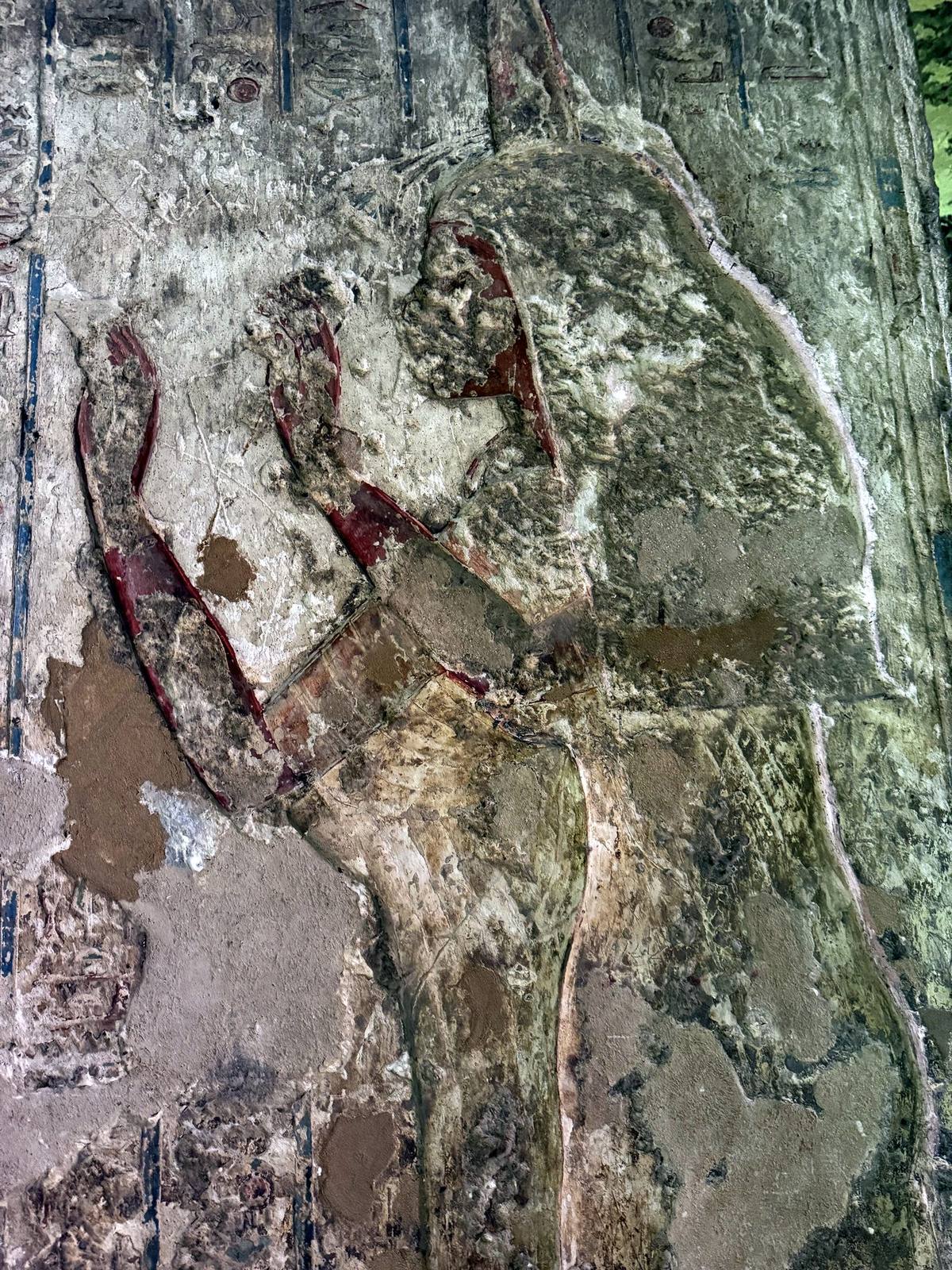
On the temple walls Hatshepsut told her own sacred story. Amun, king of the gods, takes the form of her father and visits her mother, Queen Ahmose. The room fills with the fragrance of the god. From that union Hatshepsut is born, fashioned on the potter’s wheel of Khnum and blessed by the goddesses.
It is a Hieros Gamos, a sacred marriage of heaven and earth, carved in stone to declare that she was the true child of the divine. A woman claiming the throne needed a story larger than custom, and she found it in the oldest mystery of all: the union of the masculine and feminine that brings forth something new.
The Feminine Who Wore the Crown
Hatshepsut is a teacher for anyone who has been told their gifts do not fit the shape that is expected of them. She did not abandon her nature to rule; she wove masculine and feminine together in her own person and in her reign. Expeditions to the land of Punt brought back incense trees, and she planted them in the courts of her temple, a garden of fragrance offered to the gods.
Integration is not becoming someone else. It is allowing every part of you to take its rightful place.
A Practice: The Two Crowns
Write two short lists: the qualities in you that you consider strong and directing, and those you consider receptive and nurturing. Read them aloud together, as if they were one sentence. Notice which list you usually hide. Ask how your life would change if both wore the crown.
Read More on the Blog
- What Is Hieros Gamos? The Sacred Marriage Egypt Never Forgot
- The Wound Between Us: Healing the Masculine and Feminine Before Union
Feel called to walk this path?
Book a private call with Kristina to learn about the retreats: The Great Work Pilgrimage and Hieros Gamos: The Sacred Union, or a one-to-one Private Initiation Journey, where Kristina holds personal initiations and activations for you at Egypt’s sacred sites.
Book a private call with Kristina