The Horizon of the Aten: Akhenaten, Nefertiti and the City of Light
In the fifth year of his reign, the king went looking for a place no god had ever owned.
He sailed north from Thebes, past the great cities of the old gods, until he came to a wide crescent of desert on the east bank of the Nile, ringed by cliffs. Untouched. Unclaimed. There, the story carved on his boundary stelae says, the Aten itself had shown him the place.
He would call it Akhetaten: the Horizon of the Aten.
The King and the Sun
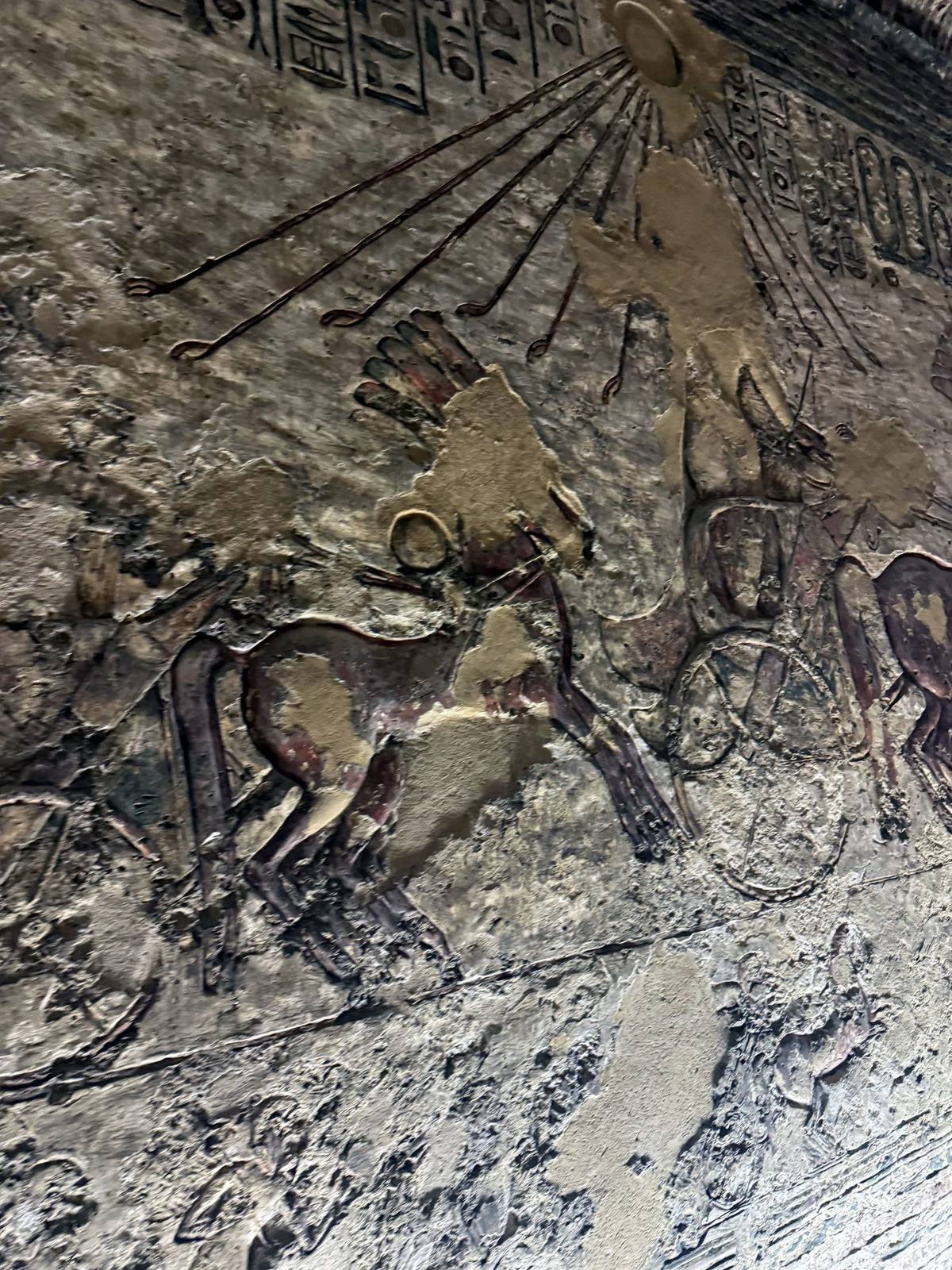
He had been born Amenhotep, son of the magnificent Amenhotep III. But within a few years of taking the throne, he changed his name to Akhenaten, often translated as “effective for the Aten”. The Aten was the disc of the sun, and Akhenaten raised it above all other gods. In art it appeared as a golden disc whose rays stretched down to earth, each ray ending in a small human hand, some offering the ankh, the sign of life.
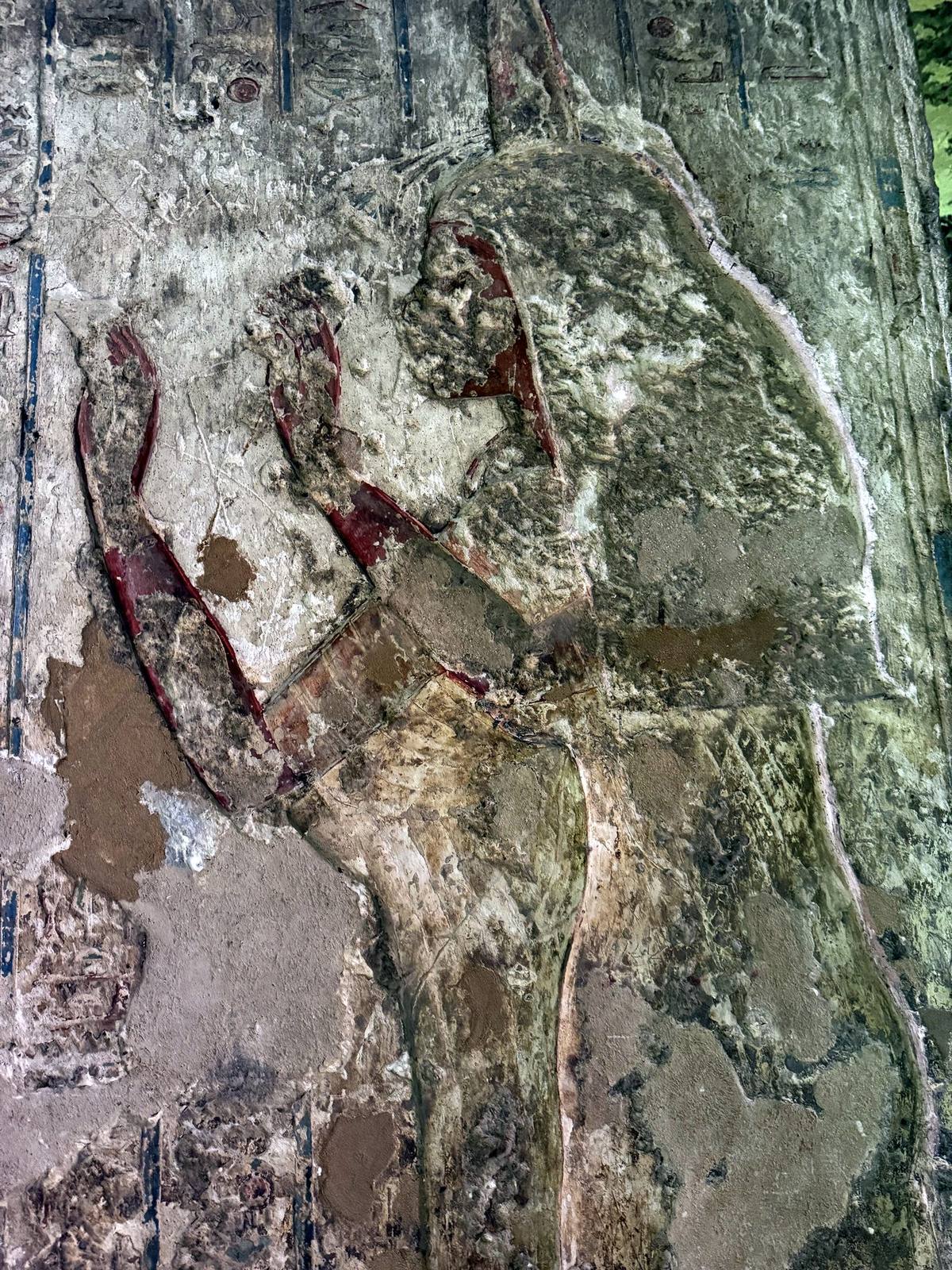
Beside him stood Nefertiti, “the beautiful one has come”. She was not merely a consort. In the art of Amarna she appears at the king’s side in worship, in rule, in intimacy. She is shown in the pose of a pharaoh smiting enemies. She and Akhenaten are depicted kissing, embracing, playing with their daughters beneath the Aten’s rays. Never before had Egyptian royal art shown such tenderness.
A City of Light
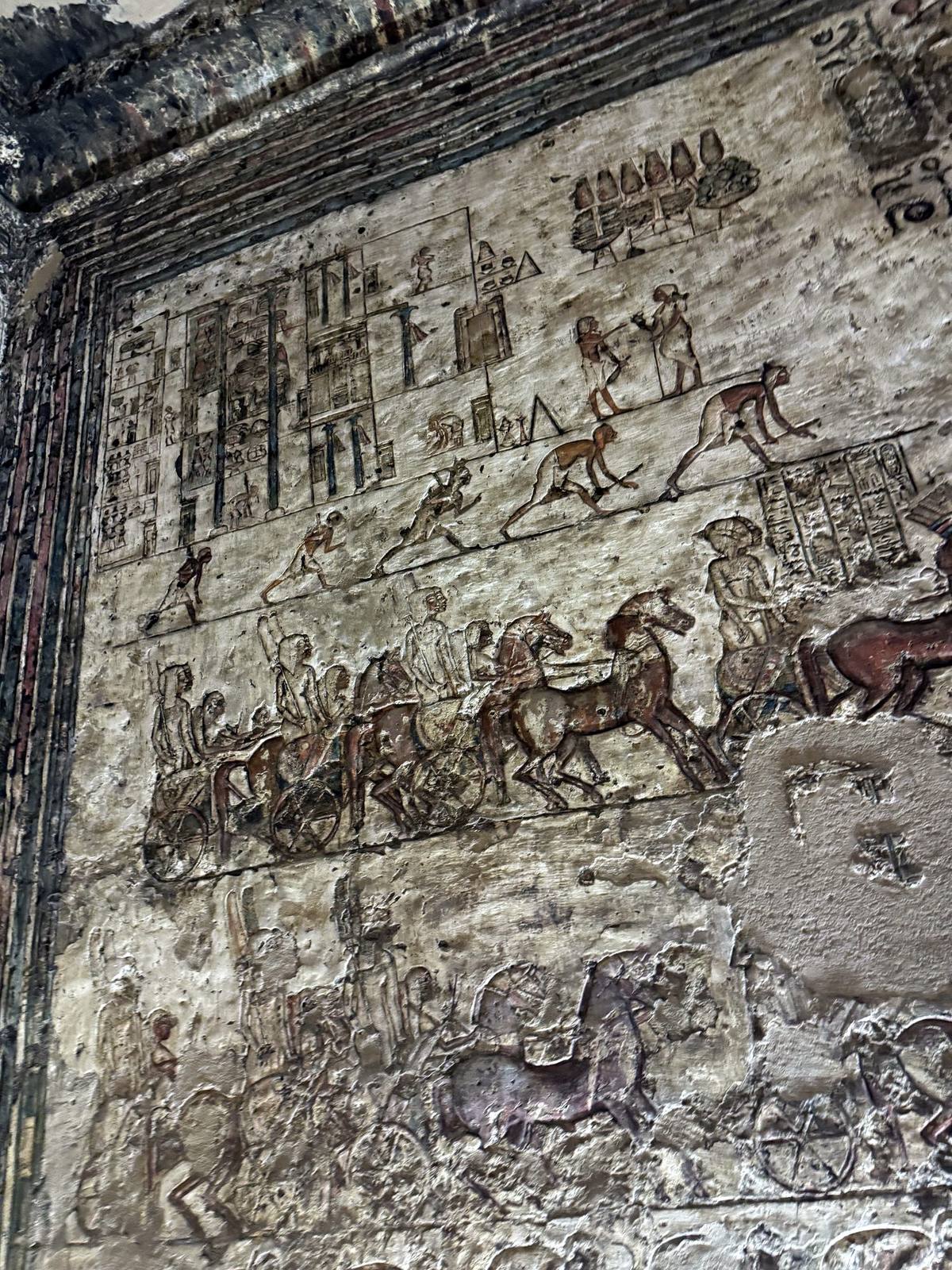
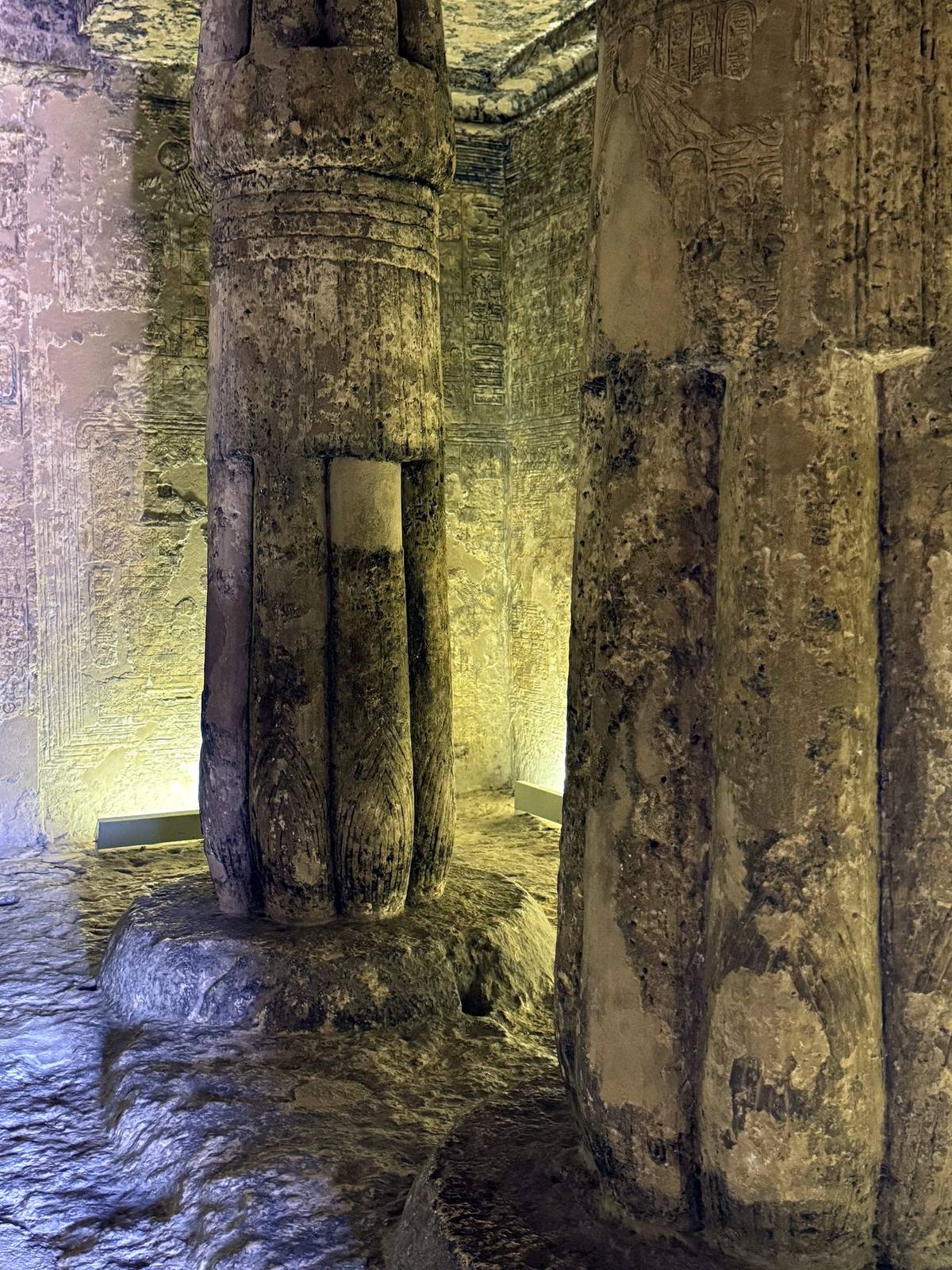
Within a few years, a city rose from the sand: palaces, temples, workshops, villas, gardens. The temples of the Aten were unlike the dark, enclosed sanctuaries of the old gods. They were open to the sky, filled with hundreds of offering tables, so that the sunlight could pour straight in.
In the tomb of the official Ay, carved into the cliffs, is the Great Hymn to the Aten: “You rise beautiful in the horizon of heaven, O living Aten, beginning of life… How many are your deeds, though hidden from sight, O sole god, beside whom there is no other.”
The City Falls
It did not last. Akhenaten died around his seventeenth year of reign. Within a few years his successors, among them the young Tutankhamun, returned to Thebes and the old gods. Amarna was abandoned. Later kings dismantled its temples and tried to erase Akhenaten’s name from history. For more than three thousand years, the city slept under the sand.
You can read the history in depth in Akhenaten and the Aten.
Kristina’s Homecoming
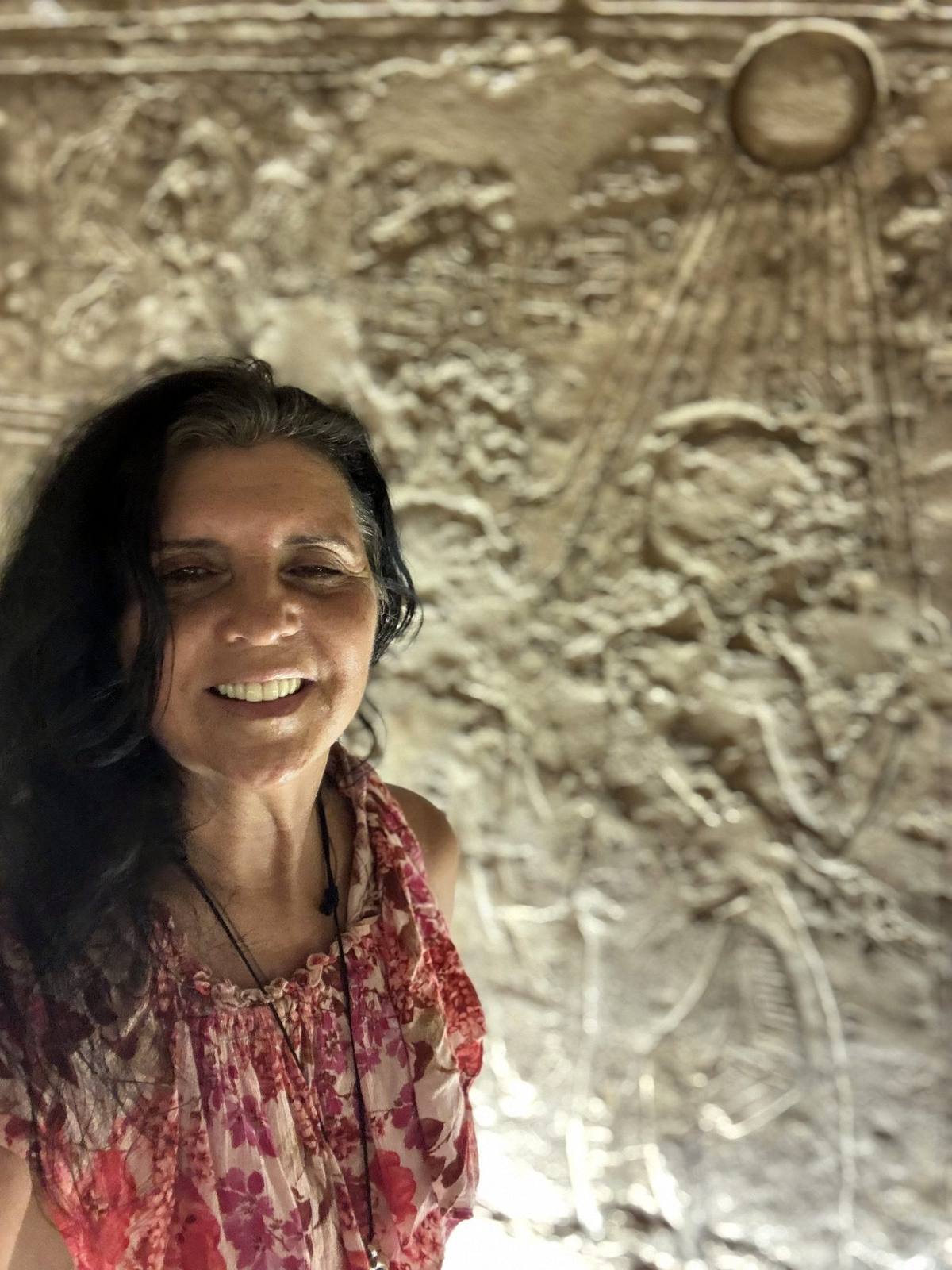
For Kristina, Amarna is not only history. Her own words tell it best:
Ten years ago, the name Amenhotep came to me in visions. Repeatedly. I didn’t understand why. But I never forgot it. Years later, Akhenaten, formerly Amenhotep IV, became a fascination. For six years, his story has been a major thread in my spiritual work.
Through the esoteric teachings she follows, she explored Akhenaten’s connections with the Law of One, solar consciousness and Hieros Gamos, the sacred marriage within. And then she went to Egypt, and extended her trip to experience the city:
When I arrived, it was magical. I felt wrapped in the warmest hug. Tenderness. Familiarity. This incredible joy. Home. Then my throat tightened. I experienced what felt like a flashback of the city falling apart. Sudden. Visceral. Deeply emotional.
The Teaching of Amarna
Amarna holds both of our great paths. It is a story of the Great Work: a vision followed with total devotion, a new world built from nothing, the light of the sun brought down to earth. And it is a story of Hieros Gamos: a king and queen standing side by side as equals beneath the divine light, love and power united.
It also holds a sober teaching. The city fell. Visions, however luminous, must be rooted to endure. The Great Work is not only inspiration; it is integration.
- What vision has been calling you for years, like a name that won’t go away?
- Where in your life could the masculine and feminine stand side by side, as equals, beneath the light?
- What would it take for your vision to be built so it endures?
As Kristina wrote after Amarna: “A vibrational key finding its lock. Something I’d carried for years opening enough for me to explore.”
A Practice: Beneath the Rays
In Amarna art, the rays of the Aten end in hands that offer life. This practice invites you to receive that light and to root your vision so that it endures.
- Sit in sunlight if you can, or imagine a golden disc above you.
- Picture its rays reaching down, each ending in a gentle hand. One offers you life. One rests on your shoulder. One touches your heart.
- Breathe in the warmth. Let yourself be held, as Kristina described in Amarna, “wrapped in the warmest hug”.
- Ask: What vision am I here to build?
- Then ask: What will help it endure? Consider the support, structure and relationships it needs.
- Write one practical step and one devotional practice that will root your vision in daily life.
Akhenaten’s vision was luminous, but the city he built lasted only a short time. The teaching is not to dream smaller. It is to pair inspiration with integration, devotion with grounding, the sun’s rays with the earth they touch. That is how a vision becomes a legacy rather than a memory.
Read More on the Blog
Feel called to walk this path?
Book a private call with Kristina to learn about the retreats: The Great Work Pilgrimage and Hieros Gamos: The Sacred Union, or a one-to-one Private Initiation Journey, where Kristina holds personal initiations and activations for you at Egypt’s sacred sites.
Book a private call with Kristina