Citrinitas at Karnak: The Yellowing, the Sun, the Awakened Mind
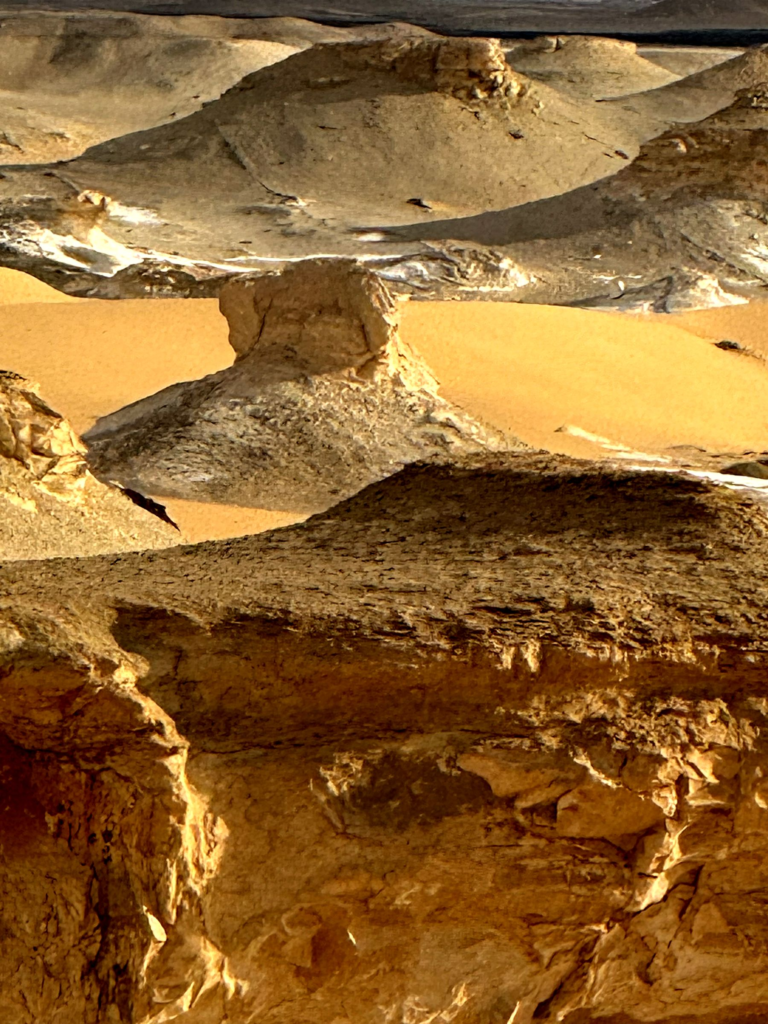
There is a moment, after the long dark, when the first gold light touches the horizon. You don’t decide it. It simply arrives. And everything you’ve endured suddenly makes sense.
The alchemists called that moment citrinitas, the yellowing. And there is perhaps no place on Earth that embodies the dawning sun more completely than the great temple complex of Karnak.
In this article we’ll explore the history and spiritual meaning of Karnak Temple, the solar mysteries of Amun-Ra, and the stage of citrinitas, when the light of awareness begins to rise within you.
Karnak: The Most Select of Places
Karnak, on the east bank of the Nile at Luxor, is the largest ancient religious complex in the world. The Egyptians called it Ipet-isut, often translated as “the most select of places”. For around two thousand years, pharaoh after pharaoh added pylons, courts, obelisks and shrines, so that walking through it is like walking through layers of sacred time.
At its heart lies the precinct of Amun-Ra, king of the gods, alongside the precincts of his consort Mut and the god Montu. An avenue of sphinxes once connected Karnak with Luxor Temple, and the procession of the Opet Festival travelled along it each year. You can read more about Luxor in Luxor Temple, the Temple of Man and the Valley of the Kings.
The Great Hypostyle Hall
The most famous space at Karnak is the Great Hypostyle Hall, begun under Seti I and completed under Ramesses II in the thirteenth century BCE. Its 134 colossal columns are arranged like a forest of stone papyrus, the central row rising higher than the rest. In ancient times, light entered through high clerestory windows, falling in shafts between the columns while the rest of the hall remained in shadow.
Many visitors describe the same experience: the mind falls quiet. The scale is too vast to analyse. And in that quiet, something else begins to speak.
Amun-Ra and Solar Consciousness
Amun was “the hidden one”, the unseen power behind creation. Ra was the visible sun. Joined as Amun-Ra, they formed a single divine principle: the hidden source made radiant. In Egyptian thought, the sun was reborn every morning after its journey through the night, a daily resurrection that mirrored the hopes of every soul.
In the esoteric teachings I follow, solar consciousness is a recurring theme. It was the thread that drew me to Akhenaten, the pharaoh who later turned Egypt’s devotion to the Aten, the sun disc. I share that story in Akhenaten and the Aten. In Lisa Renee’s Ascension Glossary, the sun and solar light are likewise woven into teachings about the awakening of higher consciousness. These are teachings, not historical claims. But they point to something you can feel: after the dark, the light returns, and it returns from within.
Citrinitas: The Yellowing
In the classic alchemical sequence, citrinitas follows the black of the nigredo and the white of albedo. Some later alchemists merged it into the other stages, but many modern seekers honour it as the stage of dawning wisdom: the moment the purified soul begins to shine with its own light.
Citrinitas is the awakened mind. Not the anxious, chattering mind, but the illuminated mind, the mind that serves the heart. It is solar: clear, warm and generous. It is when insight begins to replace confusion, and you start to see your own story from above.
My Golden Moments in Egypt
I can’t tell you that a single beam of light in a hall of columns changed my life. I can tell you what I lived in Luxor.
Luxor… I’m in love… majestic temples, stunning water outlook, and a palace of a hotel.
And I can tell you about seeing it from above.
Hot air ballooning over the Valley of the Kings… speechless.
Speechless. That is citrinitas, too: the moment the mind runs out of words because the soul has seen the whole map at once. In Cairo, walking into one of the city’s great mosques, I wrote about “geometry climbing toward heaven”. Egypt, again and again, lifts your eyes.
How to Invite Citrinitas
- Greet the sun. Make a ritual of the dawn. Let the first light touch your face.
- Reflect on your dark season. Write what it taught you. Wisdom is darkness understood.
- Quiet the mind on purpose. Stand somewhere vast, whether a temple, a beach or a night sky, and let thinking fall away.
- Share your light. Citrinitas is generous. Offer what you’ve learned to someone still in the dark.
On The Great Work Pilgrimage, we walk these stages not as theory but in the temples themselves.
Visiting Karnak as a Seeker
Karnak is vast, and most visitors rush through it in an hour. If you can, give it more. Arrive early, before the heat and the crowds, and walk slowly from the first pylon toward the Hypostyle Hall. Pause in the hall itself and simply stand among the columns. Notice the carved hieroglyphs, many still holding traces of their ancient paint. Then continue toward the sacred lake, where priests once purified themselves before entering the sanctuary.
Many traditions treat the sacred lake as a place of cleansing, a reminder of the albedo that comes before the gold. Watching the morning light move across the water and the obelisks of Hatshepsut and Thutmose I rising beyond, it is easy to understand why Egyptians believed the world was created each dawn anew.
Before you leave, choose one intention. Carry it with you like a coin of light. Citrinitas is not something you visit. It is something you take home.
Frequently Asked Questions
What is the spiritual meaning of Karnak Temple?
Karnak was the great cult centre of Amun-Ra. Spiritually, many visitors experience it as a place of awe and stillness, where the scale of the sacred quiets the mind.
How many columns are in the Karnak Hypostyle Hall?
The Great Hypostyle Hall has 134 columns, built mainly under Seti I and Ramesses II.
What is citrinitas in alchemy?
Citrinitas, or yellowing, is the stage between albedo and rubedo, associated with dawning wisdom and solar light.
Where is Karnak?
Karnak is on the east bank of the Nile in Luxor, Upper Egypt, a short distance north of Luxor Temple.
Who was Amun-Ra?
Amun-Ra was a fusion of Amun, the hidden creator god of Thebes, and Ra, the sun god, and was honoured as king of the gods.
Continue the Journey
If this article stirred something in you, these may be the next threads to follow:
- Nigredo in the Desert: The Holy Dissolution Nobody Warns You About
- Rubedo in the King’s Chamber: Becoming the Philosopher’s Stone
- Luxor Temple, the Temple of Man and the Valley of the Kings
Your Invitation
On The Great Work Pilgrimage, Egypt’s temples become a living map of transformation, from the darkness of dissolution to the dawning gold of the awakened mind.
👉 Discover the Great Work Pilgrimage
Not sure yet? Book a free 20-minute discovery call and we’ll feel into whether this is your season.
The dawn is already rising in you. Come closer.
With love,
Kristina
Leave a Reply