The White Walls and the Word of Ptah: Memphis
Among the palm groves of Mit Rahina sleeps the first capital of Egypt, and in it, a creator who made the world by thought and word.
South of Cairo, where the Nile valley opens towards the Delta, lie the scattered remains of Memphis. Here, tradition says, the first king united Upper and Lower Egypt and raised a city called Ineb-hedj, the White Walls. Later it was known as Men-nefer, enduring and beautiful, which the Greeks rendered as Memphis.
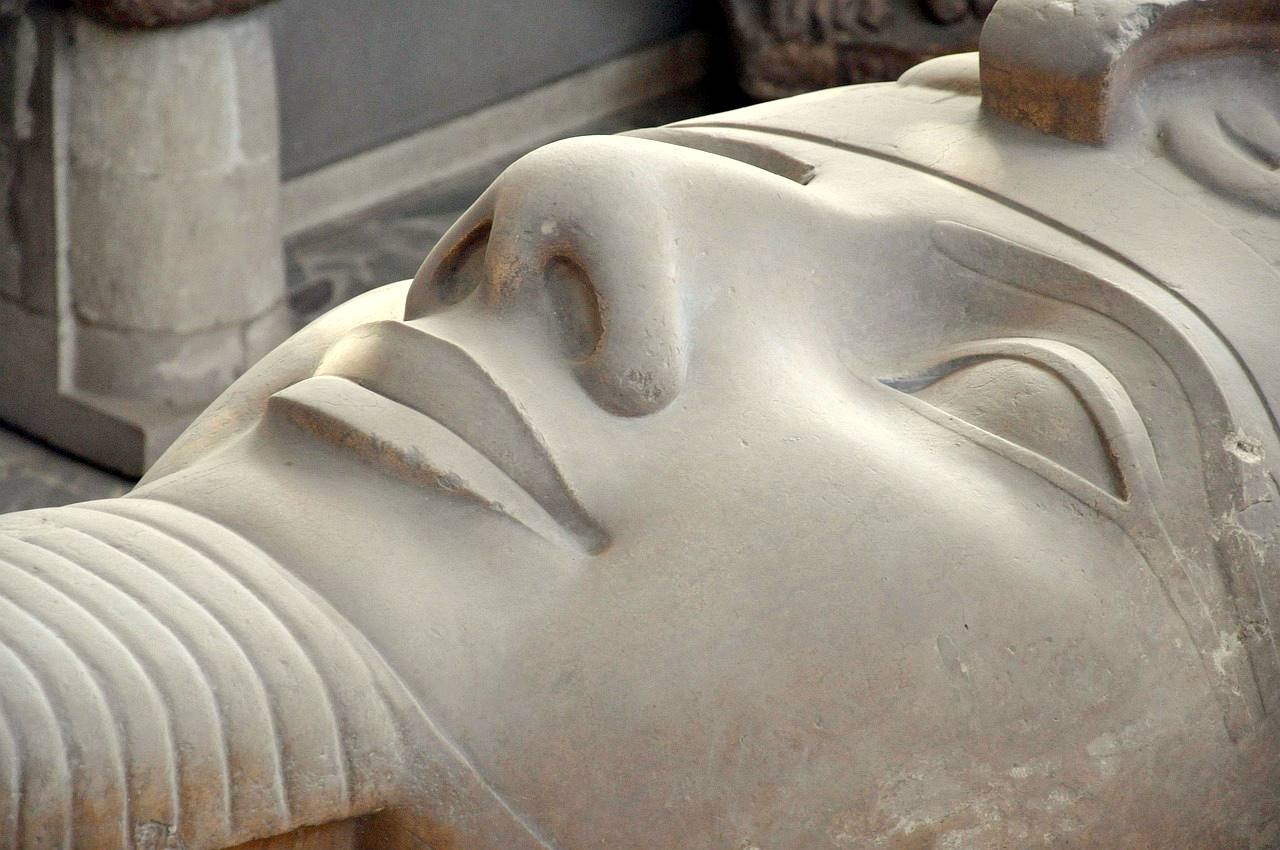
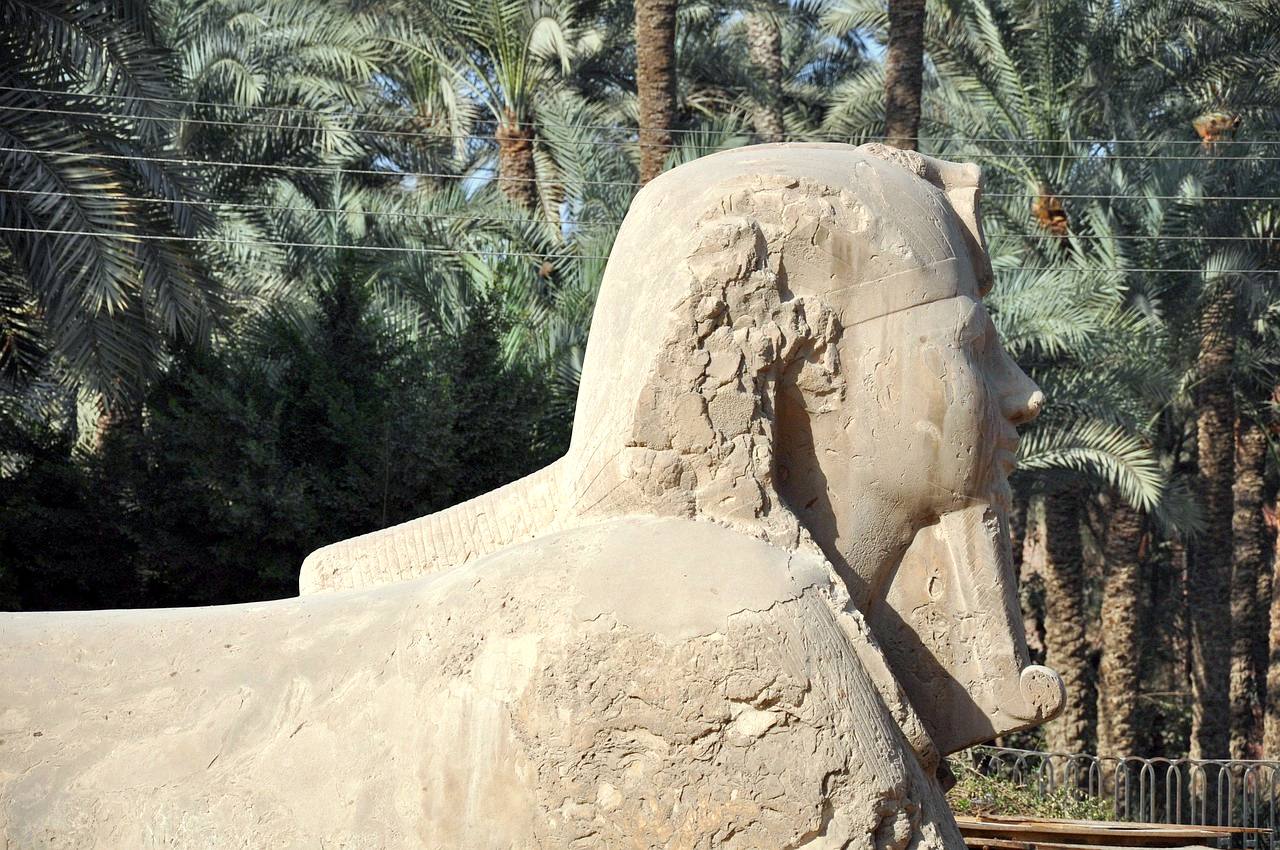
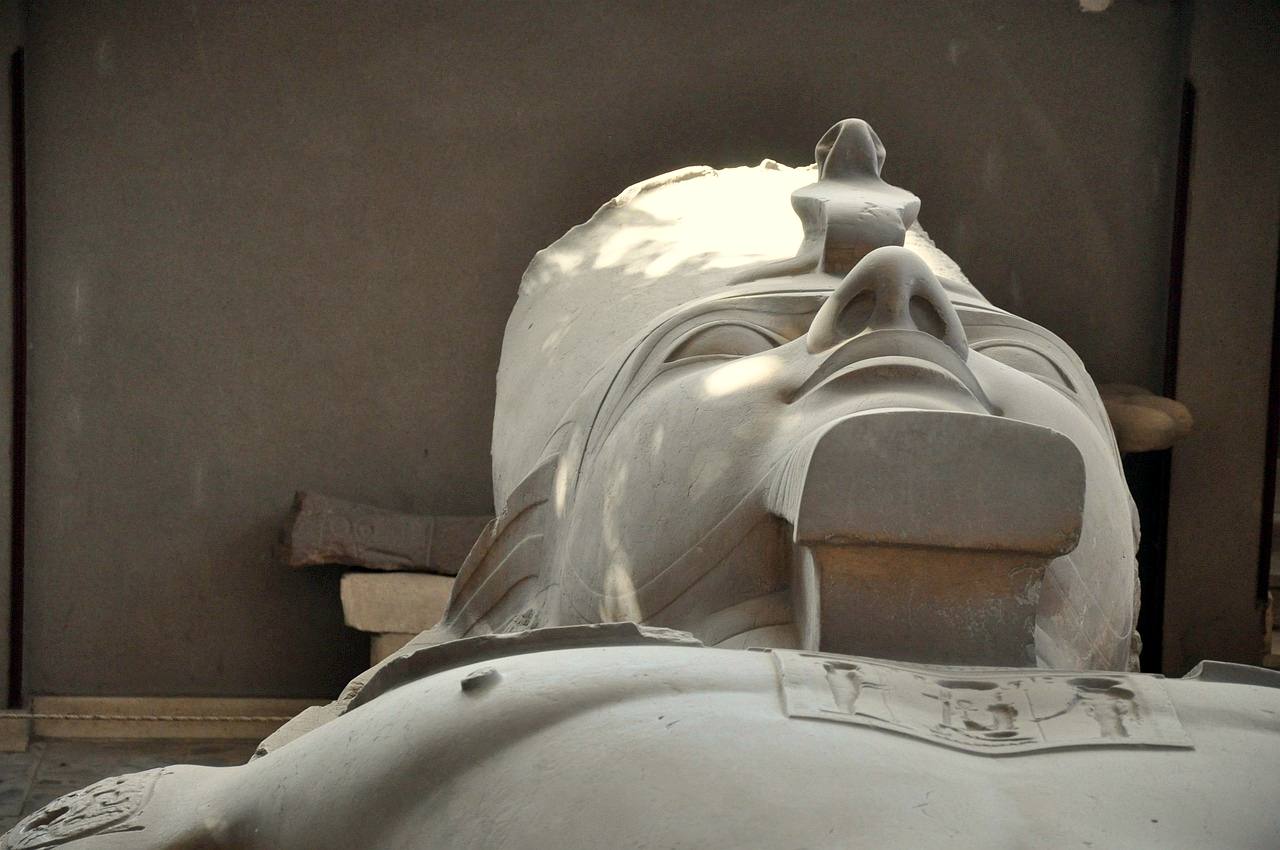
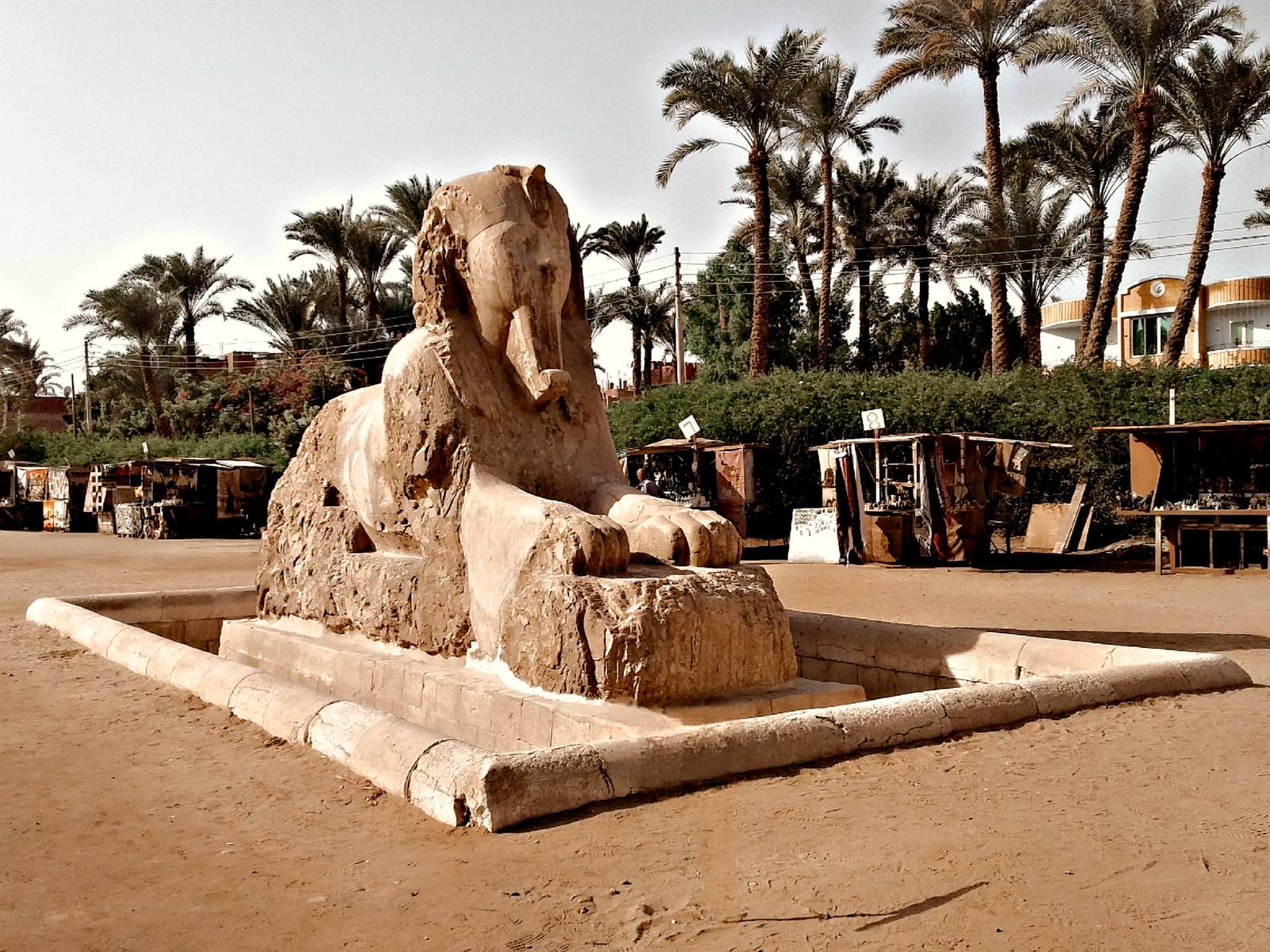
Today a fallen colossus of Ramesses II rests in its museum hall, his face serene, and an alabaster sphinx gazes out over the palms. The city’s vast necropolis runs along the desert edge from Giza through Abusir and Saqqara to Dahshur.
Ptah, the Heart and the Tongue
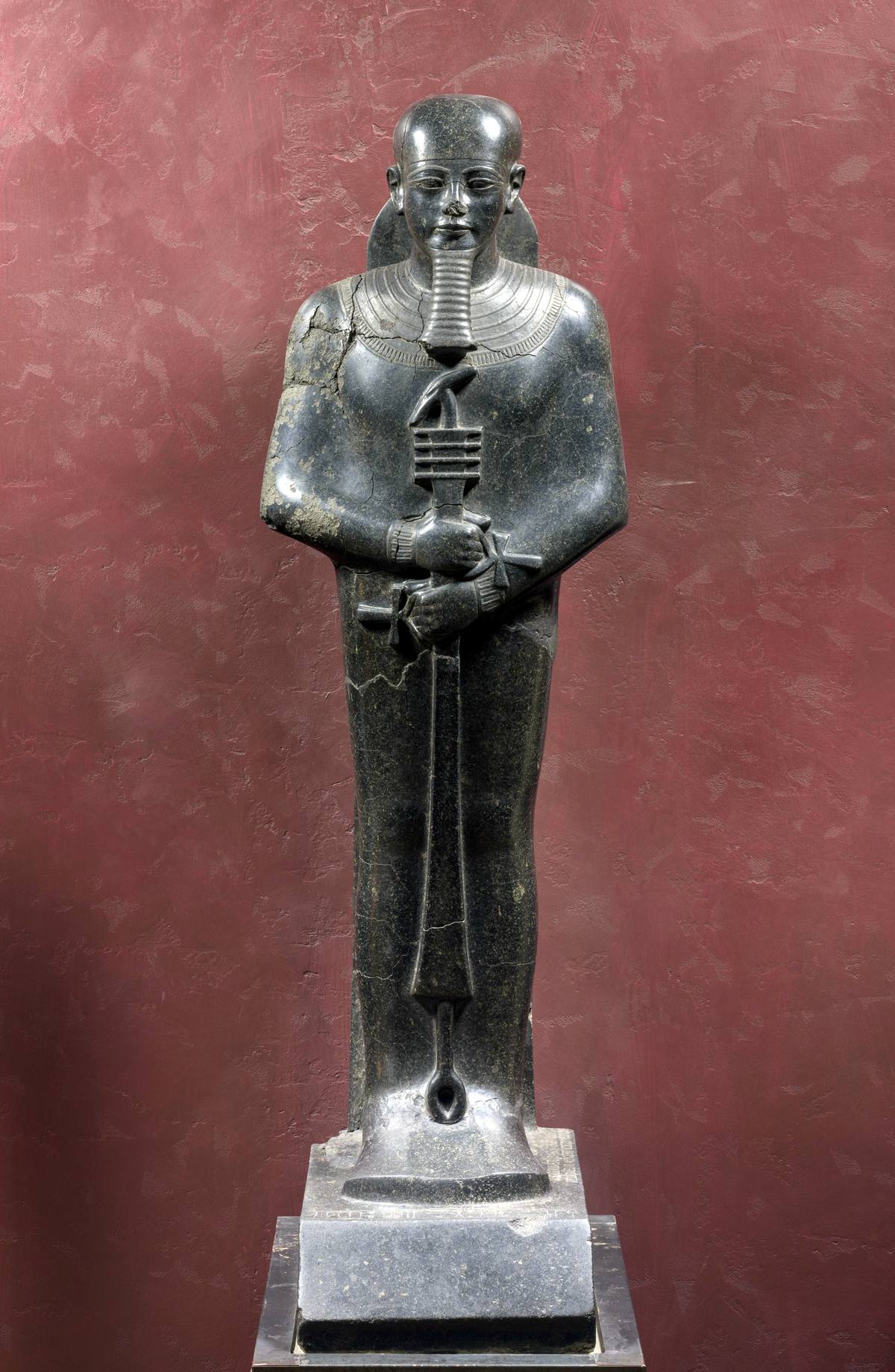
The great god of Memphis was Ptah, patron of craftsmen, builders and sculptors, shown as a man wrapped like a mummy, holding a sceptre that unites stability, life and power. A text carved in the eighth century BCE on the Shabaka Stone, claiming to copy an older original, preserves what scholars call the Memphite Theology.
In it, Ptah creates not with his hands but with his heart and tongue: he conceives each thing in his heart and speaks it into being. All the gods, all forms, all life arise as thoughts made word.
What the heart conceives and the tongue utters becomes the world. Speak carefully. You are creating.
The Apis Bull and the Serapeum
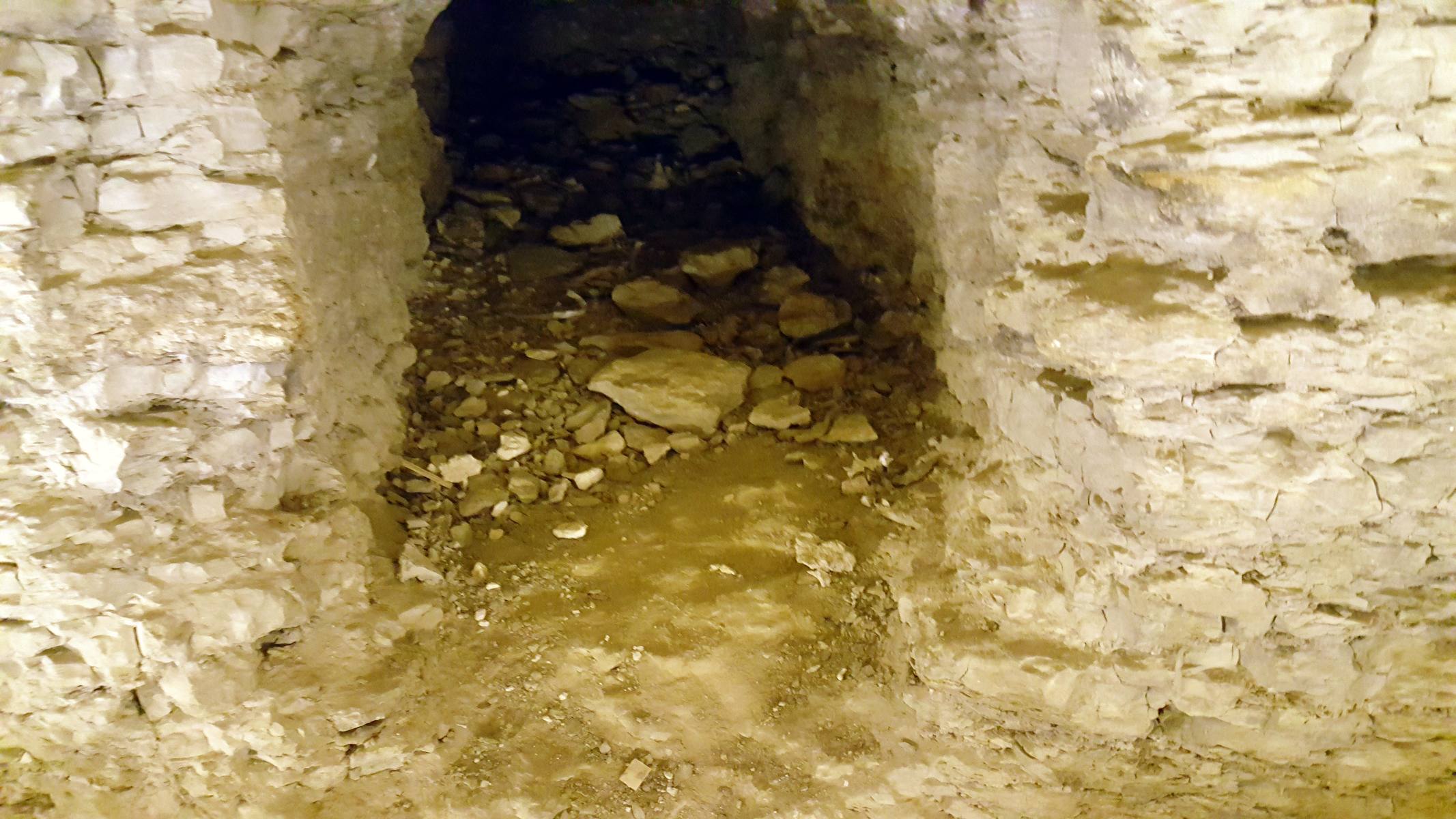
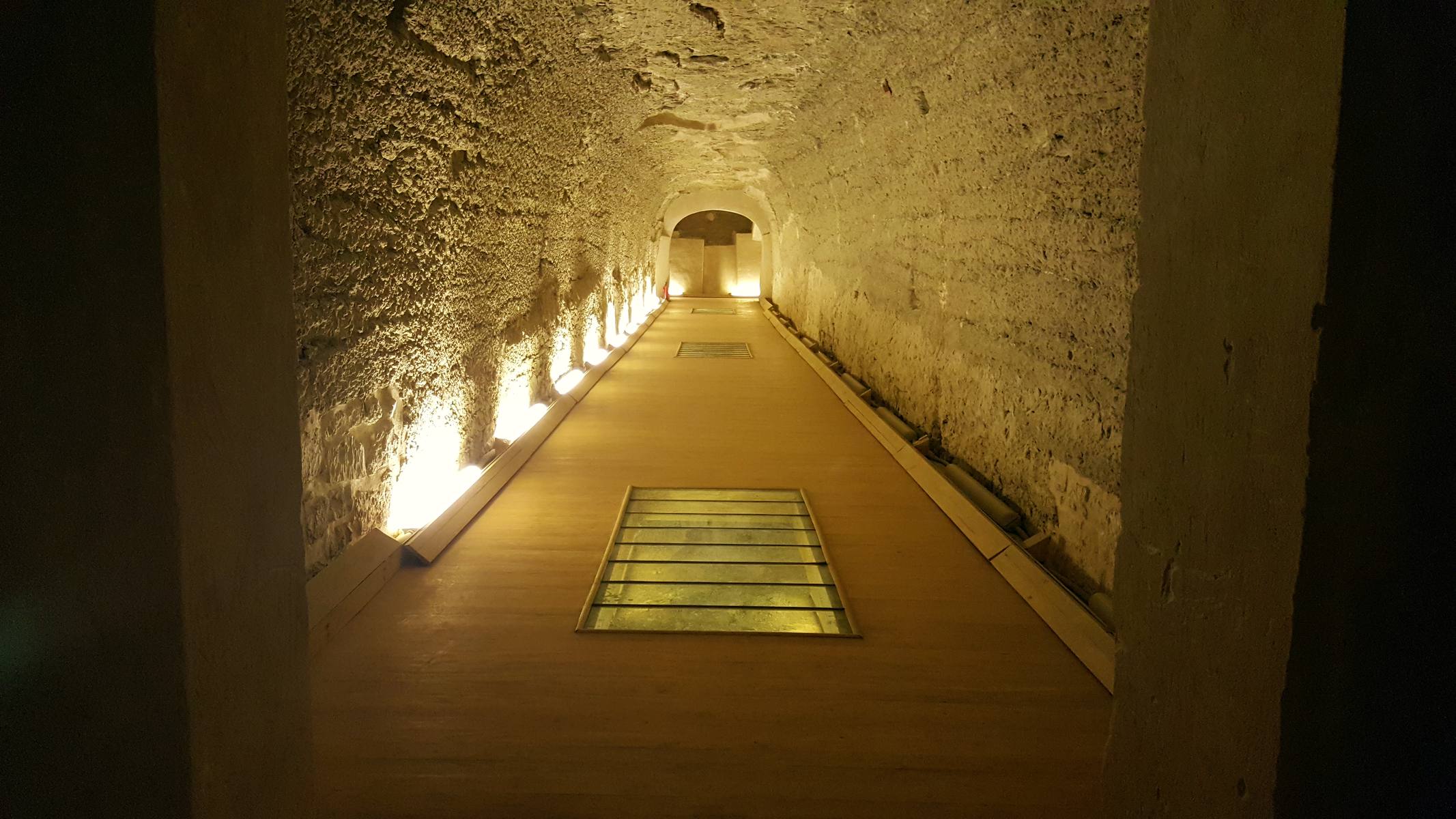
Ptah’s living image on earth was the Apis bull, chosen for his sacred markings and honoured in a temple at Memphis. When an Apis died, he was mourned as a king, embalmed and buried in the Serapeum at Saqqara, where enormous granite sarcophagi lie in vaults cut deep into the rock. In death the Apis was united with Osiris as Osiris-Apis, later worshipped as Serapis.
The Great Work of the Craftsman
For the alchemist, Ptah is the divine artisan of the Great Work: the one who shapes raw matter into a vessel worthy of spirit. Lisa Renee’s Ascension Glossary speaks of the power of focused intention and the creative force of the spoken word. At Memphis this is the oldest teaching of all. Your thoughts are tools; your words are chisels.
The Great Work is not only about receiving light. It is about building something with it.
A Practice: The Heart and the Tongue
Place one hand on your heart and bring to mind one thing you wish to create. Feel it there first, alive and whole. Then speak it aloud in one simple sentence, slowly, as if carving it into stone. Ask: am I speaking the world I truly wish to live in?
Read More on the Blog
- The Black Earth Within: Why the Great Work Begins in Egypt
- What Really Happened in an Egyptian Temple Initiation?
Feel called to walk this path?
Book a private call with Kristina to learn about the retreats: The Great Work Pilgrimage and Hieros Gamos: The Sacred Union, or a one-to-one Private Initiation Journey, where Kristina holds personal initiations and activations for you at Egypt’s sacred sites.
Book a private call with KristinaHeader photo: The serene face of the colossus of Ramesses II at Memphis by NadineDoerle, Pixabay Content License, via Pixabay
Photo: The alabaster sphinx of Memphis in its palm grove by NadineDoerle, Pixabay Content License, via Pixabay
Photo: The crowned head of the fallen colossus of Ramesses II at Memphis by NadineDoerle, Pixabay Content License, via Pixabay
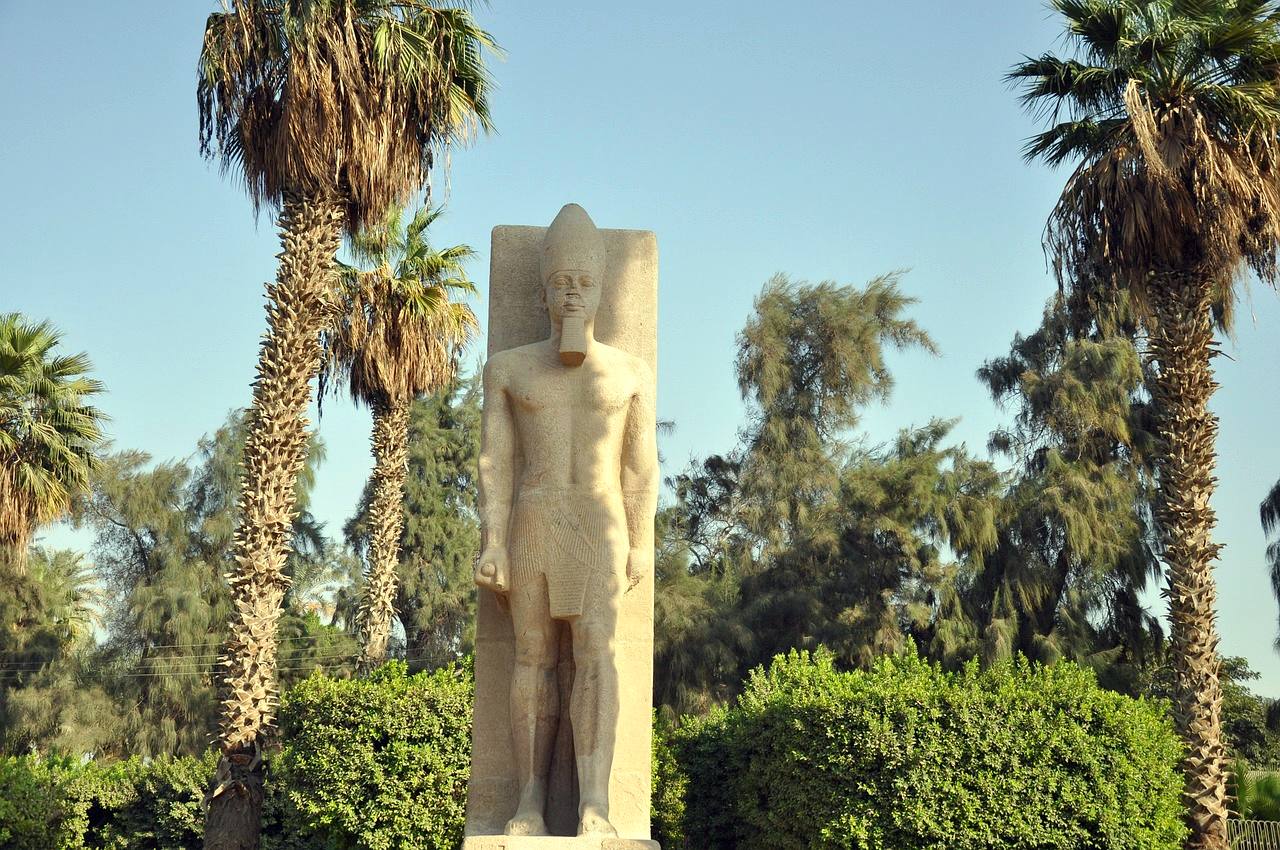
Photo: A standing statue of Ramesses II among the palms of Memphis by NadineDoerle, Pixabay Content License, via Pixabay
Photo: Sphinx of Memphis II by Bilal Detailz, CC BY-SA 4.0, via Wikimedia Commons
Photo: Statue of the god Ptah, granodiorite - Museo Egizio Turin C 86 p01 by Museo Egizio, Turin, CC0, via Wikimedia Commons
Photo: By ovedc - Serapeum of Saqqara - 17 by Ovedc, CC BY-SA 4.0, via Wikimedia Commons
Photo: By ovedc - Serapeum of Saqqara - 11 by Ovedc, CC BY-SA 4.0, via Wikimedia Commons