She Who Loves Silence: The Story of the Valley of the Kings
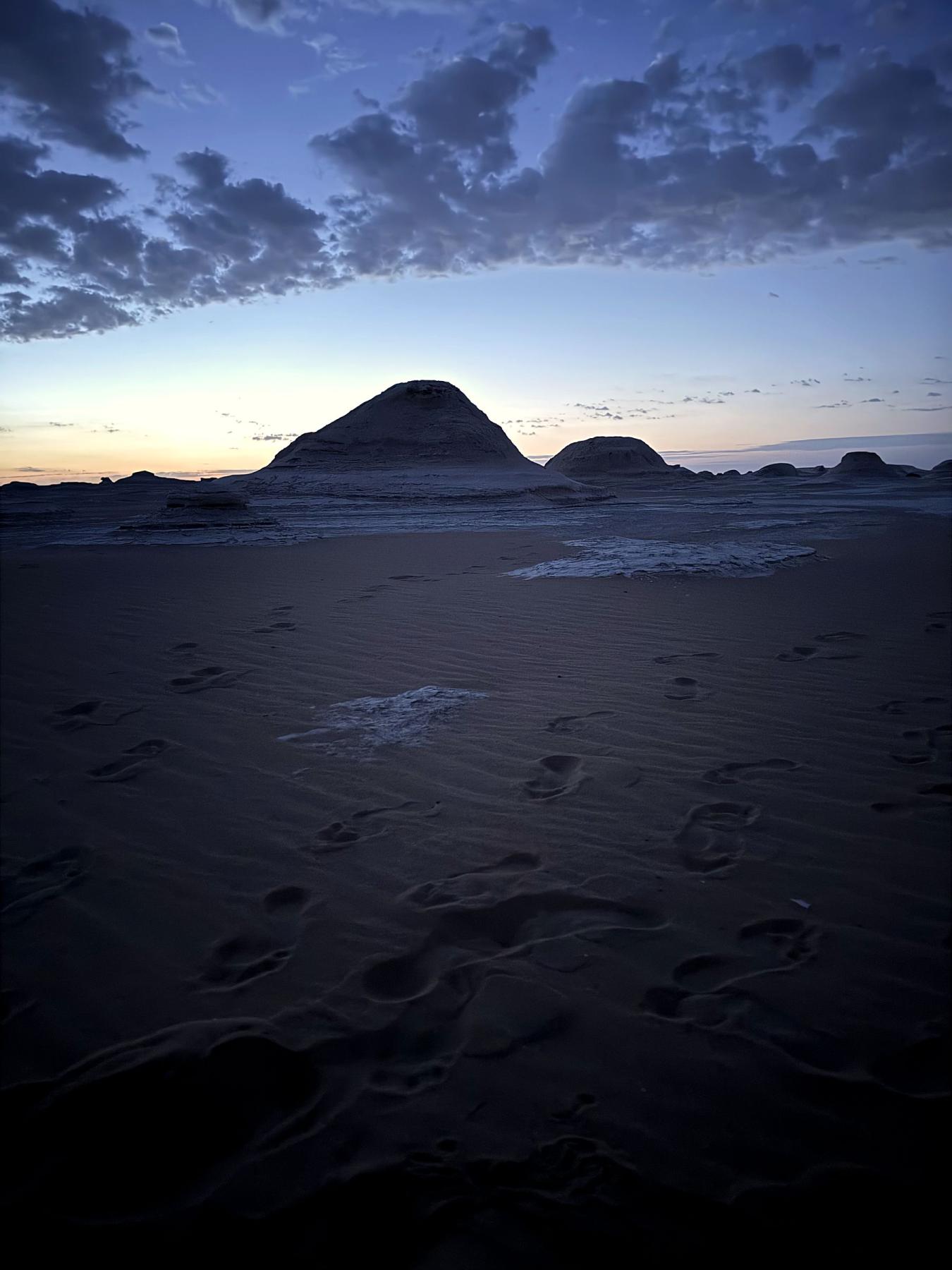
Above the valley of the dead there rises a mountain shaped like a pyramid. And on that mountain, the Egyptians said, a goddess was listening.
The peak is called el-Qurn, “the horn”, today. It towers over the West Bank of Luxor, its natural pyramid form crowning the hidden valley where, for nearly five hundred years, the pharaohs of the New Kingdom were laid to rest. Many Egyptologists think the kings chose this valley partly because the mountain above it already looked like the monuments of their ancestors.
The goddess of the peak was Meretseger. Her name means She Who Loves Silence.
The Cobra on the Mountain
Meretseger was shown as a coiled cobra, sometimes with a woman’s head. She guarded the royal tombs and the whole Theban necropolis. To those who respected her, she was merciful. To those who disturbed the silence, robbed the dead or swore falsely, she could be dangerous: her bite, it was said, brought blindness or sickness.
We know her best from the people who lived beneath her mountain: the craftsmen of Deir el-Medina, the village of artisans who carved and painted the royal tombs. They worked in the dark for weeks at a time, cutting deep corridors into the rock and filling them with luminous images of the gods. On small stone stelae they left prayers to Meretseger. One workman, Neferabu, confessed that he had done wrong and that the goddess had made him “see darkness by day”. Then, he wrote, she turned to him in mercy, and he was healed. “Beware of the Peak,” he warned others, “for there is a lion within her.”
It is one of the most human voices to survive from ancient Egypt: a man who suffered, who acknowledged his error, and who found grace in the silence.
Into the Night
Beneath the mountain the tombs plunge into the rock, corridor after corridor, descending into darkness. On their walls are painted the great books of the afterlife: the Amduat, “that which is in the underworld”, the Book of Gates, the Book of Caverns. They describe the journey of the sun god through the twelve hours of the night, battling chaos and finally being reborn at dawn. The dead king hoped to travel with him.
You can read the story of that night voyage in Ra’s Journey Through the Duat.
The tombs are not only about death. Their paintings blaze with colour, stars cover their ceilings, and their goal is always the same: rising again.
The Teaching of Silence
Our world is loud. Notifications, opinions, the endless chatter of the mind. Many of us are afraid of silence, because in silence we hear what we’ve been avoiding.
Meretseger teaches the opposite. Silence is not empty; it is sacred. It is where healing comes. Neferabu found his healing not by fighting the goddess but by humbling himself and listening.
In the Great Work, this is the descent: the willingness to go down into the dark corridors of the self, to sit in silence, and to let what is hidden come to light. The alchemists called it the nigredo. The Egyptians painted it on the walls of eternity.
- Where in your life do you need more silence?
- What have you been avoiding hearing?
- What would it mean to descend, trusting that the corridor leads to dawn?
Kristina has written of a similar experience in a tomb at Amarna: “I sat in a tomb and closed my eyes. During meditation, I felt an opening at my crown. Images and impressions flooded in.” Silence, held long enough, opens doors.
From Above
There is another way to see the valley. At sunrise, hot-air balloons lift from the West Bank and drift over the temples and the mountain while the light floods gold across the desert. Kristina’s words from that sky were just one: “Speechless.”
Perhaps that is Meretseger’s final gift. After the descent into silence, the soul rises, and from above, it sees the whole map at once: the river, the fields, the desert, the tombs, the dawn. And it has no words, because none are needed.
A Practice: An Offering to Silence
The workmen of Deir el-Medina left small stelae for Meretseger, She Who Loves Silence. This practice is a modern offering to the same sacred quiet.
- Choose a time each day this week to be completely silent for fifteen minutes. No phone, no music, no reading.
- Sit somewhere you can see the sky or a high place, as the workmen looked up to the peak.
- Let the noise of your mind rise and fall without following it. If you wish, breathe slowly and count your breaths.
- At the end of each silence, ask: What have I been unwilling to hear? Write down anything that comes.
- If you recognise an error, as Neferabu did, acknowledge it simply and honestly, without punishing yourself.
- On the last day, write a few lines of gratitude to silence itself, your own small stela.
Many people discover that silence is both harder and kinder than they expected. At first, it can feel uncomfortable, even frightening. Then something softens. Answers arrive that no amount of thinking could produce. Meretseger’s mercy, the old prayers suggest, is given to those who are willing to listen. Her mountain still stands above the valley, keeping watch over the silence.
Read More on the Blog
Feel called to walk this path?
Book a private call with Kristina to learn about the retreats: The Great Work Pilgrimage, or a one-to-one Private Initiation Journey, where Kristina holds personal initiations and activations for you at Egypt’s sacred sites.
Book a private call with Kristina